
Drinking When Life Is Hard

There is a lot of suffering in the world right now. It seems that every day new horrors are unfolding globally and locally, assaulting our nervous systems and causing us to feel grief, despair, rage, helplessness.
Sometimes it’s a natural disaster, sometimes it’s a war, sometimes it’s a private crisis in our personal life that threatens to break us. Sometimes it’s several of these things at once.
Regardless of the causes, we all have those periods when life seems to be falling apart and we just don’t know how to cope.
If you’re anything like me, in moments of extreme distress, you might want to drink.
And you know what? That’s okay.
Sometimes you will drink, even if you had decided not to. And that’s okay.
Sometimes what you’re dealing with will be too powerful and you won’t have another way to deal with it but to escape. And that’s okay.
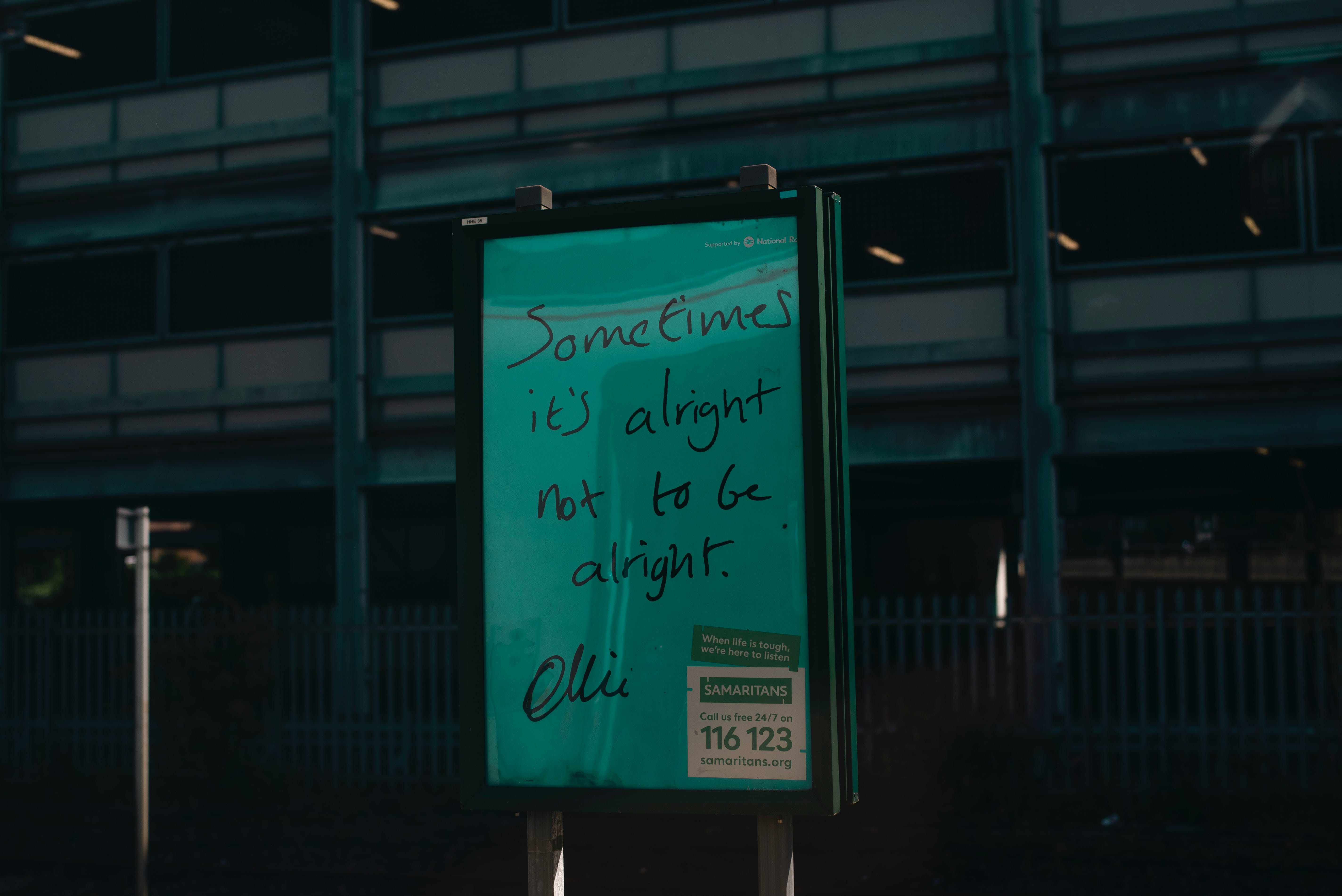
Many aches are too big to be remedied by a few tips, and I won’t pretend otherwise. If you’re in an acute crisis or suffering from chronic trauma, you will need more care than I can provide in a blog post.
But sometimes a few tips will be enough for you to pause, reground, and redirect, so here we go.
1. First of all, drop all judgment and be kind to yourself.
If your first instinct is to drink and you give in to the urge to drown your pain with booze, please don’t beat yourself up about it!
We’ve all been there. It’s normal to want to numb pain, and that’s what alcohol does—it numbs our feelings and quiets our thoughts, and we get a momentary reprieve from our suffering.
So again, if your coping strategy is to drink when life is unbearable, please have self-compassion. We’re human. We’ve evolved to avoid suffering.
We’ve also absorbed messages about the power of alcohol to improve moods and comfort aches. That you have the urge to drink in a difficult moment means nothing about your character or your willpower or your ability to change.
You are not broken and you are still worthy of love and compassion.
2. Sit with your feelings.
Often, we don’t even stop to understand what we’re feeling—we feel an unpleasant emotion and immediately want to run away from it. But pausing to notice what we’re experiencing is the first step of awareness, and sometimes that pause is enough to stop us from pouring a drink.
So take a moment sit with the feeling. Just give it a try. Five minutes to start with.
Notice what it feels like in your body. Is your heart racing? Are you struggling to catch your breath? Is your face flushed? Are your hands shaking?
What is the label for what you’re experiencing? Anger? Anxiety? Frustration?
Notice that, unpleasant as these sensation may be, they can’t actually hurt you.
And notice that, in the act of naming the emotion, you separate yourself from it, and so it becomes just a little bit easier to experience it.
You are not your anxiety. You are a human experiencing anxiety.
3. Breathe and ground yourself in the present moment.
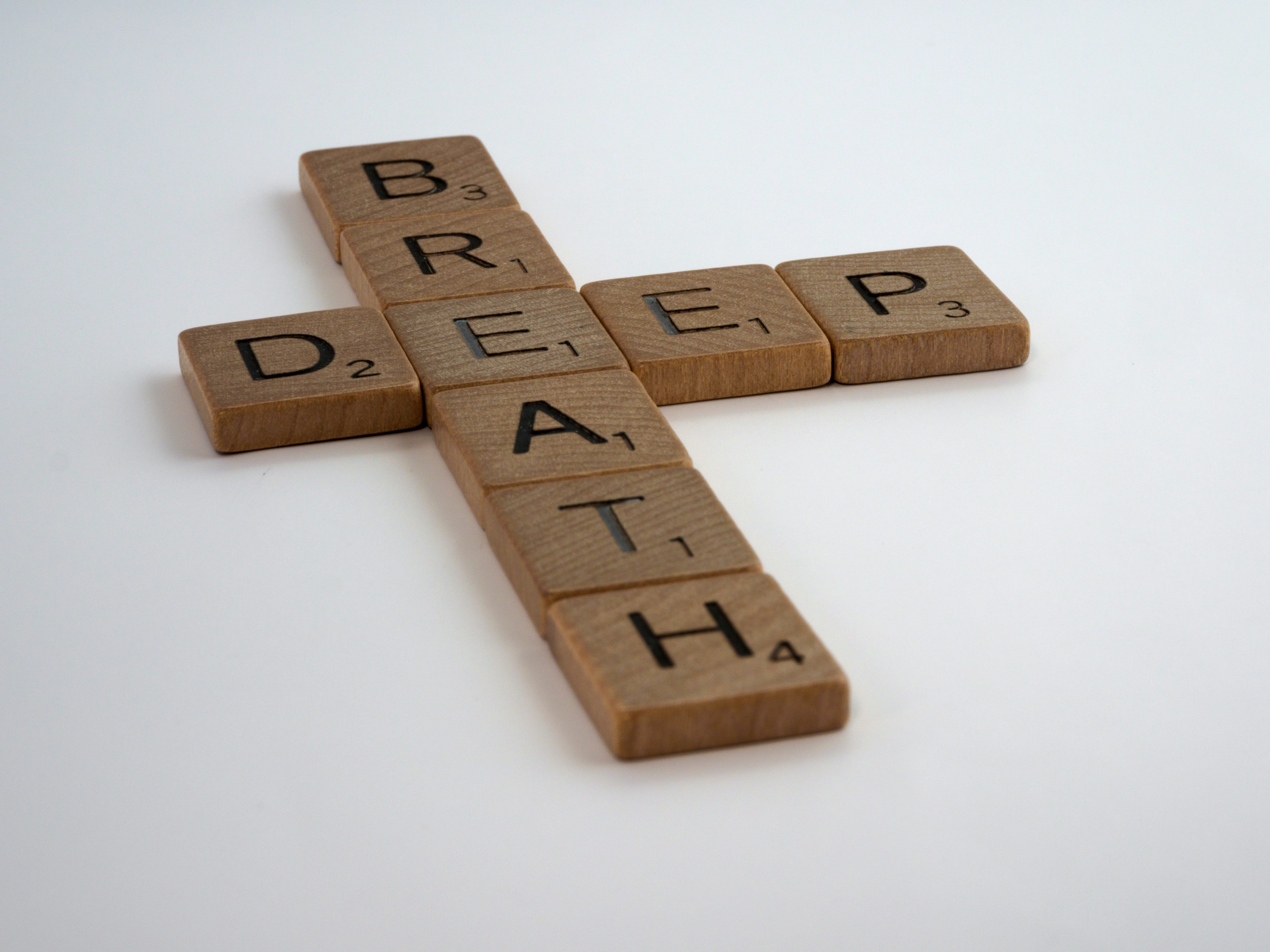
Take a few deep breaths. Cliché as this sounds, this is the fastest way to regulate your nervous system. Focus on making the exhale longer than the inhale. Keep breathing.
Focus on your surroundings. If you are physically safe right in this moment, say that to yourself. “I am safe right here and right now.” Keep repeating that.
Focus on your senses and notice where you are and what you can see. Notice what you can hear and smell. Notice the texture of something you can touch.
Again, the aim here is to keep ourselves in the physical, which gives us a bit of a distance from the emotional. Because sometimes a little distance is enough to diminish the craving for alcohol.
4. Name what you think alcohol will give you and see if you can get that some other way.
Try to identify what you are looking for alcohol to give you. Is it comfort? A distraction? An escape? Permission to give into an emotion?
Is there another way you can comfort yourself—by texting a friend or petting your dog?
Is there another way you can distract yourself—with a task or with a book or with an errand?
Is there another way to process the feeling—by crying or punching a pillow or listening to a song that matches that emotion?
Can you go for a short walk? Can you take a bath? Can you brush your teeth or put clean sheets on your bed?
We’re thinking small here. What small act of self-care can you perform that might give you some of the relief that you were hoping alcohol might provide?
5. Remind yourself that alcohol solves nothing.
While it’s true that alcohol provides a momentary relief of whatever we’re experiencing, that feeling doesn’t last.
I know that. You know that. Any relief you get from a drink is only temporary.
When the effects of the alcohol are gone, the reason you drank is still there, and now you have a hangover and probably some extra anxiety on top of any difficult emotions you started with.
Remember that. Remember that alcohol is not the answer. Play the tape forward of what tomorrow will look like if you drink today, and decide if it’s worth it. Odds are, it isn’t.
And again, be kind to yourself. Sometimes none of these interruptions will work, and that’s okay.
You can always make different decisions tomorrow, but be kind to yourself today anyway.